The AI device of the future is already shipping

Since ChatGPT’s explosion onto the scene in 2022, miles of column inches have been spilt on what the “device” of the AI era looks like. The question is always posed like this:
- AI is a fundamentally different technology paradigm
- Each technology paradigm has a new physical form factor
- Therefore, the AI era needs a new device
I’m not so sure. History usually predicts the future, but in this case I don’t think it will. I think that the AI device of the future is already on the market. And I think it’s likely to be the Apple Watch. And if it’s not the Apple Watch, it’s AirPods.
OpenAI will try something new. I’m not sure Anthropic will, but they might. There seems to be a renaissance in hardware startups since 2022, all betting on the apparently foregone conclusion that large language models = a new frontier in hardware. But I just don’t see it.
People don’t want a new thing to take with them
What’s different about today compared to other paradigm shifts is that we have probably already saturated what people are willing to bring with them. Today, the most useful computer that has ever been made is in the pocket or bag of most people in developed countries.
A decent proportion of those people are also wearing a smartwatch. Even more are carrying AirPods.
Then, if they’re commuting to, or from, work, they probably have a bigger bag, carrying a laptop. They probably have a computer at home. They definitely have a TV. They might have a smart speaker already. That’s already a lot of stuff.
And these devices mostly serve all of the jobs the average person wants them to do. Stay in touch with friends and family. Be available for emergencies. Take photos or videos, so they can brag to their friends or family about a thing they saw or did. Ask questions about the world.
Increasingly, these devices are also doing things that large language models excel at, too. Like answering more complex questions about the world or completing tasks on the person’s behalf.
Glasses ain’t it
One new form factor mooted as the future is glasses. But packing the technology necessary for them to be useful into them is hard without making them look ridiculous.
Take the Specs. Evan Spiegel has been working on these for more than ten years.
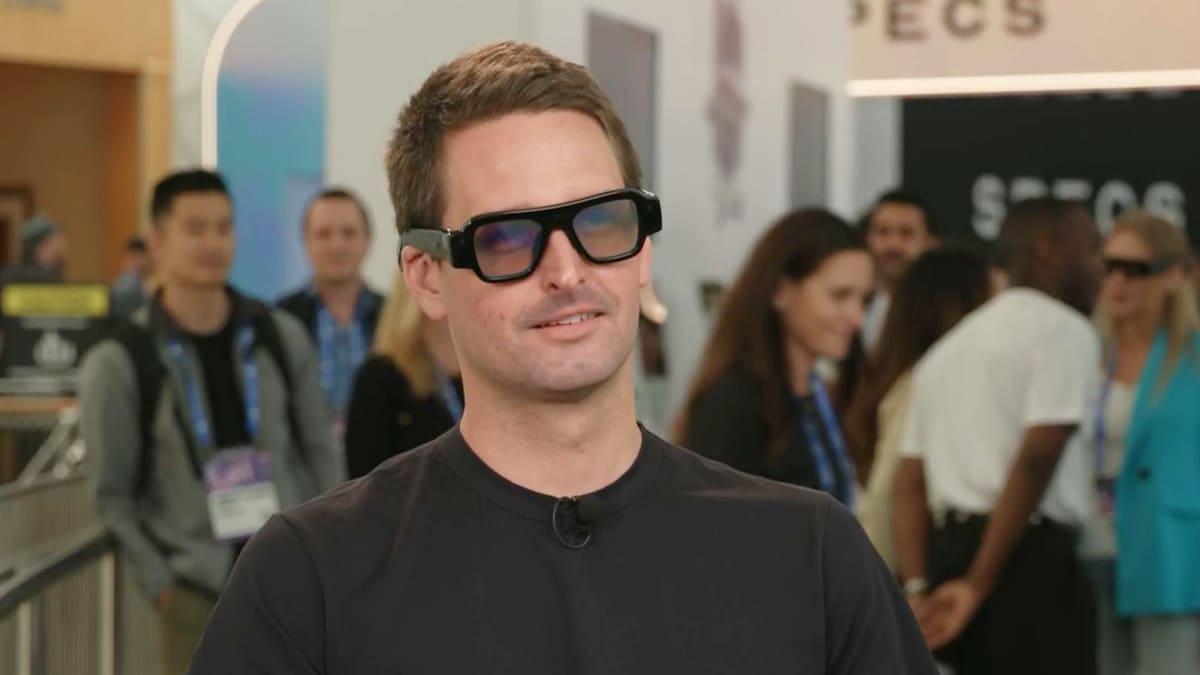
And sure – what they can do is probably very cool. But literally no one is going to wear these because human beings want to have sex. And these glasses are perhaps the biggest turn off I may have ever seen.
Glasses that are thinner and more discreet have a different problem. They’re being rejected all over the world as creepy. It is unavoidable that your eyes see and process things as you walk through a public space. It’s entirely different socially if you’re training a camera – and an AI, owned by Mark Zuckerberg – on everything those eyes see.
The world adapts to some new technologies. Like AirPods. It’s okay, now, for someone to walk down the street with white buds in their ears talking to themselves. I think this is because it doesn’t harm anyone else. Glasses with cameras facing the world can. And AI glasses without cameras aren’t useful.
So I don’t think these will capture the imagination of the mainstream, no matter how hard Meta or Snap try to make them a thing. Because they don’t have social permission.
Watches and headphones have decades of social permission
Society is used to people wearing watches and earbuds. And this matters to product adoption more than any of the big consumer tech companies – apart from perhaps Apple – give credence to. Watches have been around for centuries, earbuds since at least the Walkman.
Both are more handy than phones, in very specific situations. Mainly, these are moments where you want technology to be ambient. Like if you’re taking meeting notes. Or if you’re cooking. Or if you’re on a walk. Or if you just want to know something, but you don’t want to pull out a 6” glass slab from your pocket.
Watches are good for this. AirPods are too. In both instances, you can use voice to ask a quick question or take notes. If you’re somewhere you can’t type, swipe-typing for quick things is probably sufficient on the Watch.
The Apple Watch is over-powered and has not yet reached its potential
For years, the Apple Watch was under-powered and over-reliant on the processing power of the iPhone. This is no longer the case. But it’s also true that it has been doing less interesting things over the last few years: doubling down on fitness and moving away from more interesting or powerful apps on the wrist for other stuff.
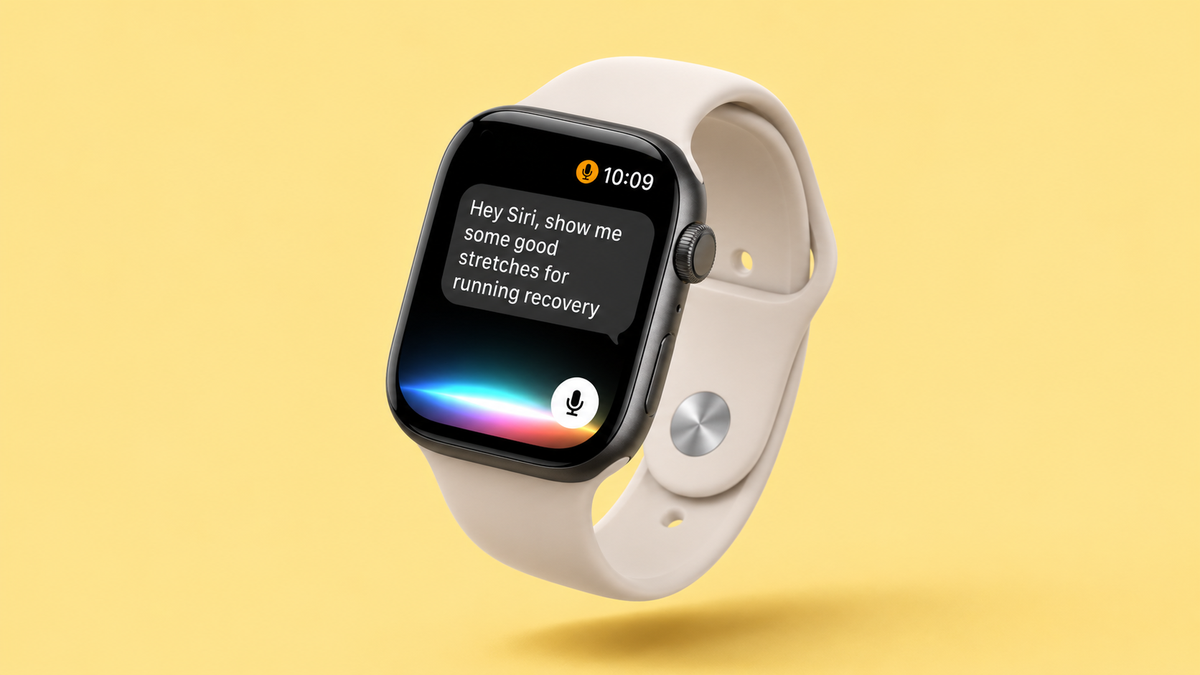
Until recently. New AI apps – from notetaking (like Granola – we are launching our Apple Watch app this week!) to Siri AI itself – are landing every week. The Watch’s UI is already flexible to what you’re up to – if you’re on a run, you have stats at your fingertips. If you’re at work, an important message from your wife is a glance away if you need it to be. If you’re at home, it’s a watch, a cooking timer, a way to turn the lights on, a way to see who texted you quickly, and send a short reply if you need to.
Over the last three years, Apple’s been busy shipping much more power into the Apple Watch processor without shouting about it, too. This paired with the power of LLM models in the cloud means you’ll soon have apps that take advantage of both.
Siri AI is a perfect example of this: you can now ask your watch complex questions about your life and work, like “where did I last meet Matt?” or “what’s my therapist’s address?”
Imagine a world where you can ask Granola “what can we learn from Q2’s sales calls?” direct to your wrist and actually get an answer.
This is a world where technology is abstracted to the smallest usable form factor. A powerful processor. A bright touch screen with flexible UI. A microphone and speakers. Everything you need to serve up thousands of little use-cases AI enables.
The next AI device is already on the market
This is not an argument that the Apple Watch, or AirPods, will replace the iPhone. Or computers. Both are entrenched in modern life and will be going nowhere. AI will also make these form factors better.
Computers are how people get work done. Smartphones are the perfect form factor for most tasks – from booking cinema tickets to wasting hours watching short form videos.
But there is a world where we spend less time with big touch screens, mice and keyboards, and instead use natural language with flexible, glanceable user interfaces.
Any device requires social permission. A device you’re embarrassed to carry and feel awkward using won’t ever break into the mainstream. A device that isn’t useful for other things won‘t come with you either (both the Apple Watch and AirPods also clear this test).
It’s why – as I’ve argued before – anchoring is the most important principle in product marketing. Analogise your technology with something that already exists. A computer in your pocket is a phone. A computer on your wrist is a Watch.
But anchoring only works when you have social permission. AI glasses don’t yet have this, and without rethinking social norms, I’m not sure they will.
So the AI device of the future? It’s here today.
It’s the Apple Watch. Or maybe it’s AirPods. But I think you need a small, discreet screen for some tasks. So for me, the Watch wins.
Either way, don’t expect a magical new form factor for large language models. Because what we have today is capable and ready for them.